Contemporary Art Between Critique and the Market
For a long time, contemporary art presented itself as a space of critique, openness, and cultural democracy. Galleries spoke about community, institutions emphasized inclusivity, and curatorial texts constantly relied on the language of accessibility. Yet at the same time, the contemporary art market has never been more expensive, exclusive, or detached from everyday life.
Today, a strange paradox has emerged.
The more contemporary art speaks about society, the less society itself can genuinely participate in it.
This becomes especially visible at large biennials, art fairs, and international festivals. Audiences move through spaces that visually address crisis, poverty, migration, or climate anxiety, while an extremely expensive cultural system operates around them: VIP previews, private collectors, corporate sponsorships, luxury hotel networks, and a market capable of turning almost anything into an investment.
Contemporary art increasingly resembles an economy of symbolic status.
Even “anti-commercial” works often become part of the same market mechanism. Installations criticizing capitalism circulate through institutions financed by capital itself. Critique becomes style. What is interesting is that this shift is visible not only in prices, but also in the visual language of contemporary art.
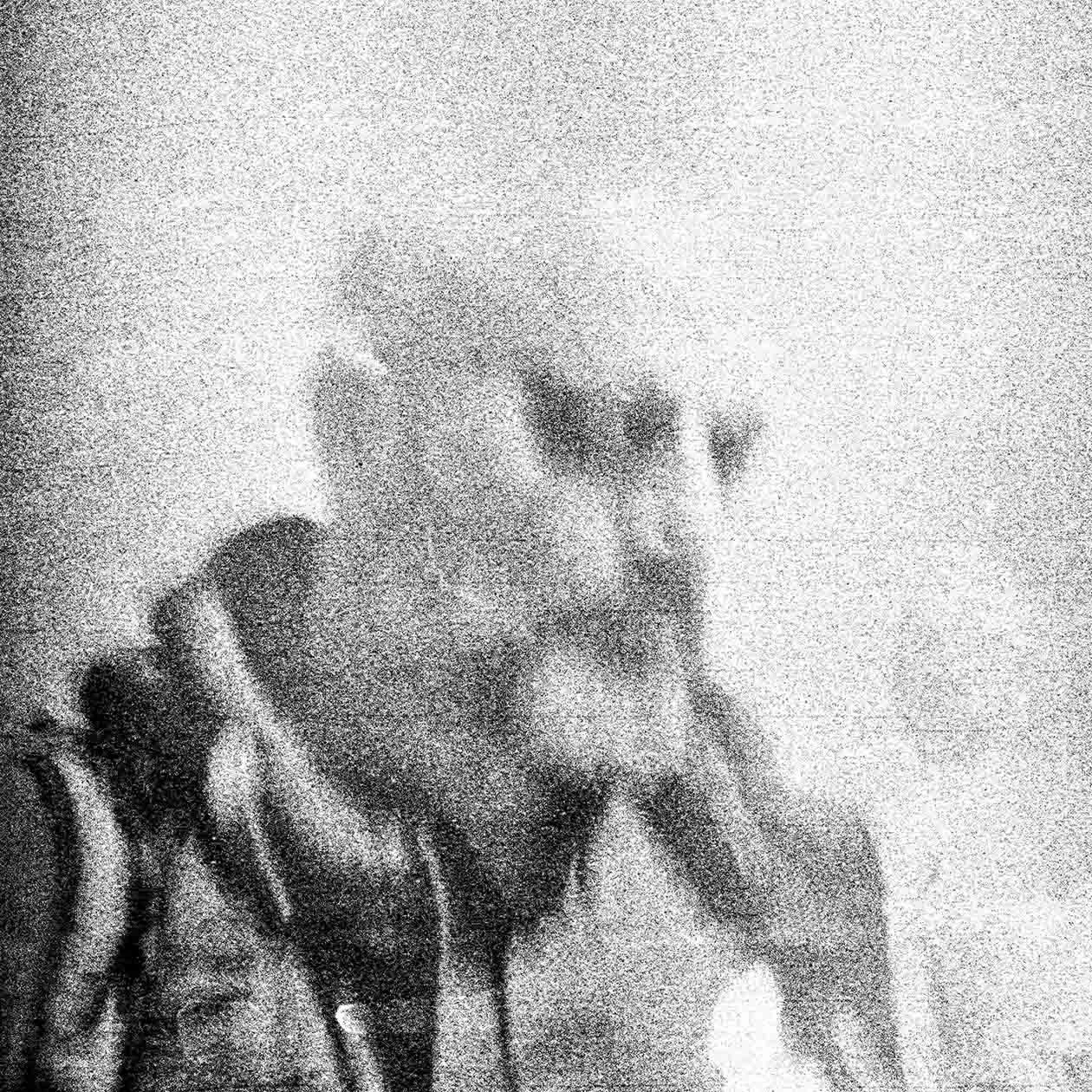
Perhaps this explains the growing interest in alternative forms today: small independent festivals, self-publishing, zines, and local exhibitions. Not because these forms are automatically “purer,” but because they still offer something the larger contemporary art system is gradually losing: immediacy.
But the most interesting question may be something else entirely.
Is contemporary art truly becoming elitist again, or have we simply stopped pretending that it is not?
Art has always depended on power, money, and institutions. The difference today is that the contemporary scene simultaneously wants to be critical and luxurious, political and marketable, radical and investable.
It is precisely within this contradiction that contemporary art currently appears most honest.