 Image 1 of 2
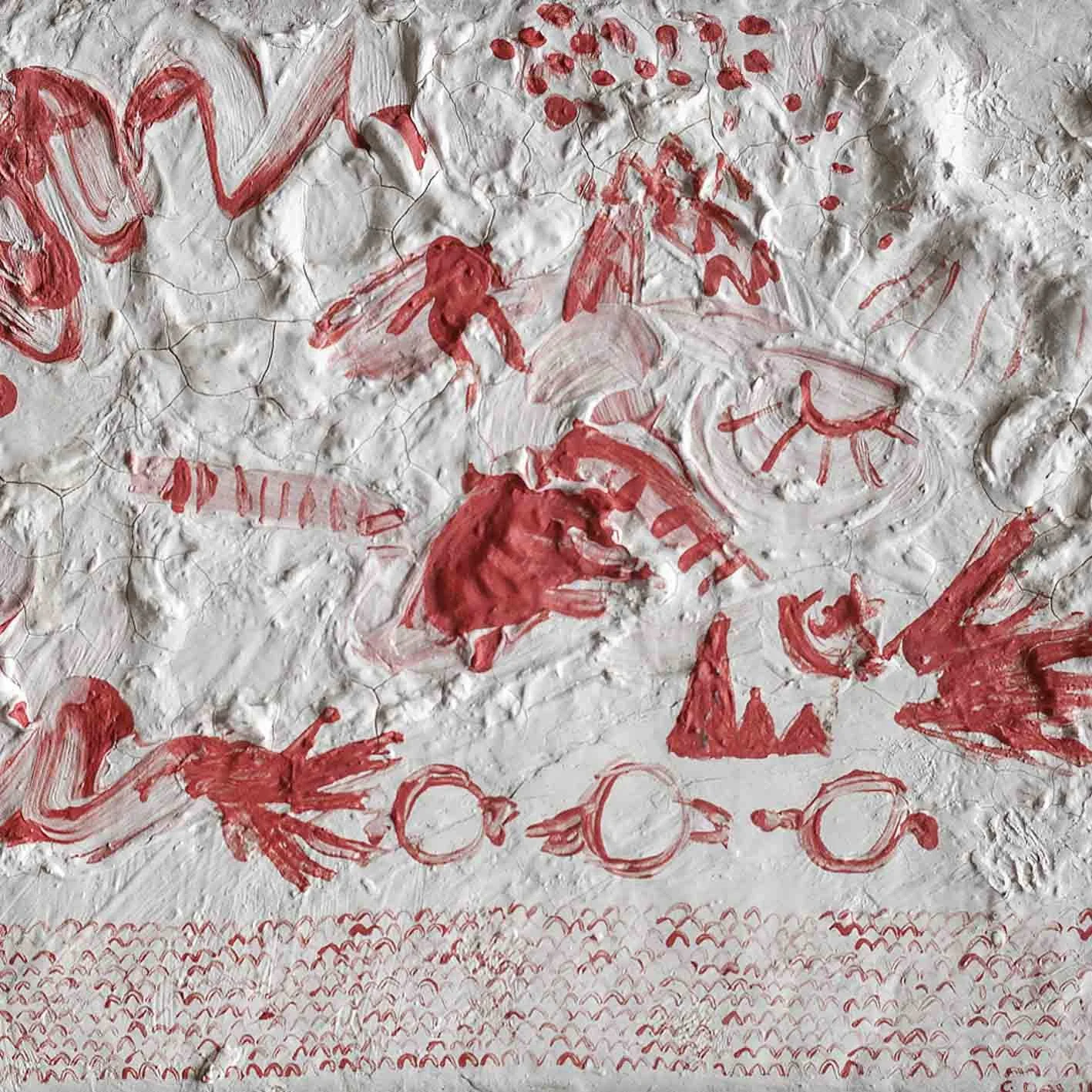 Image 2 of 2
Art Description
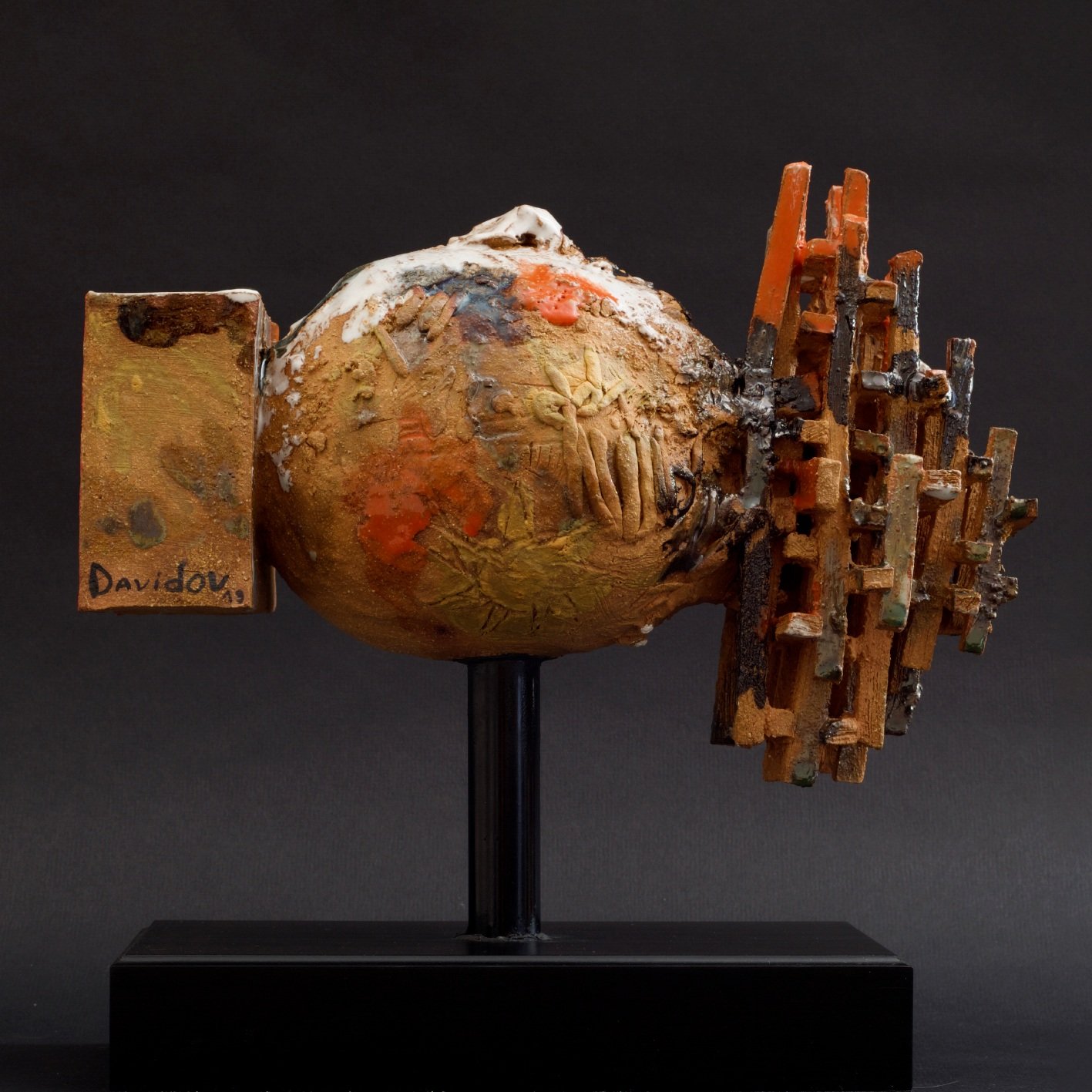
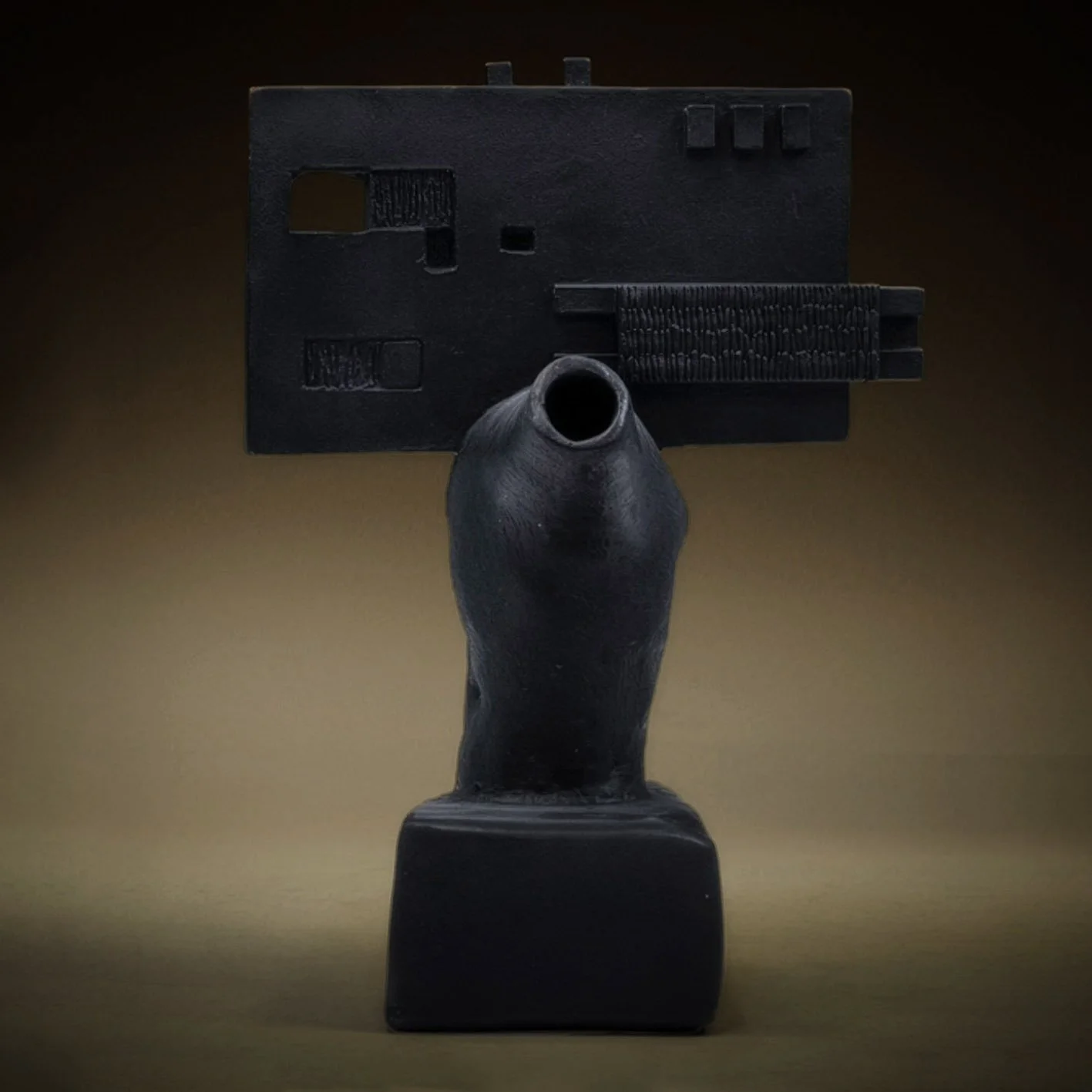
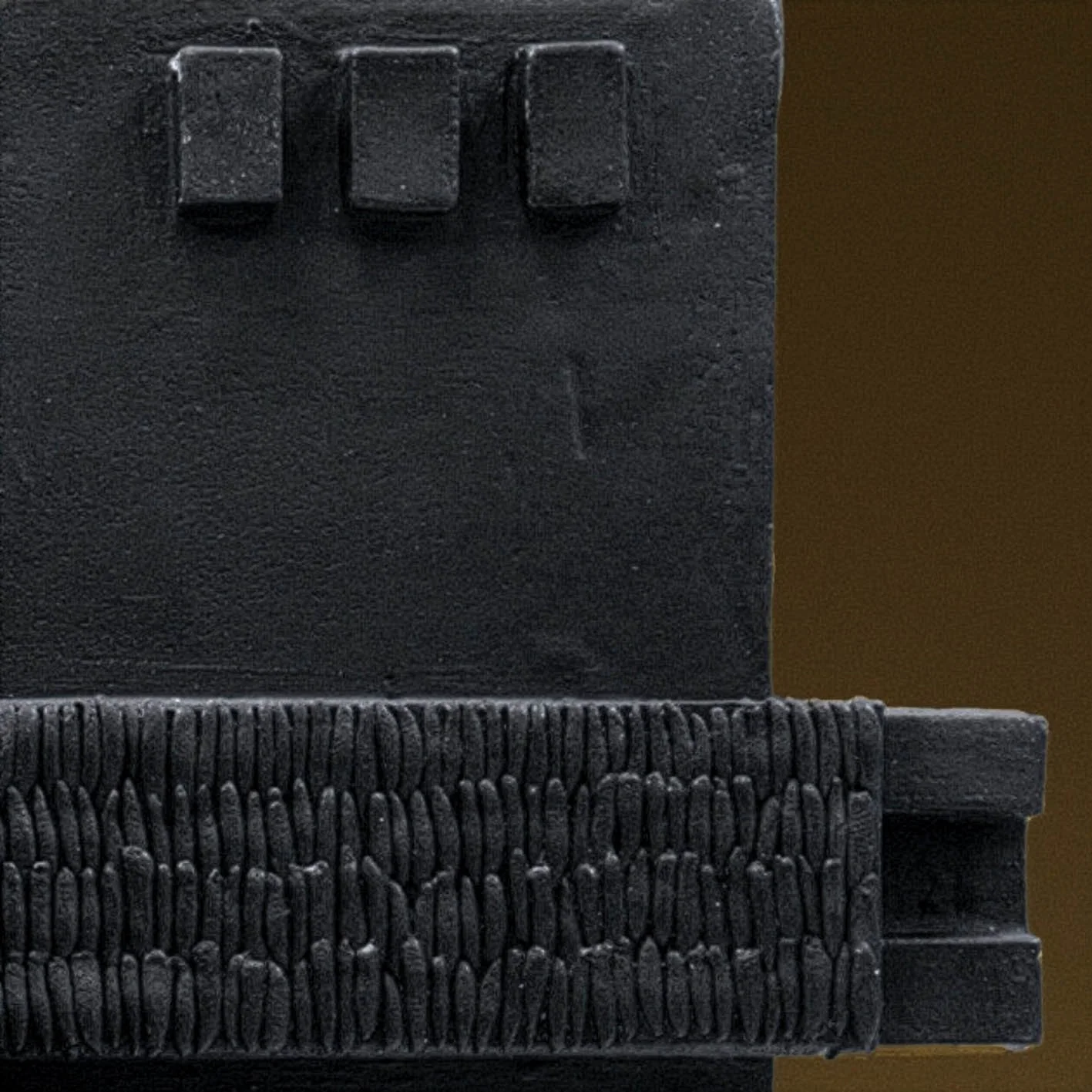
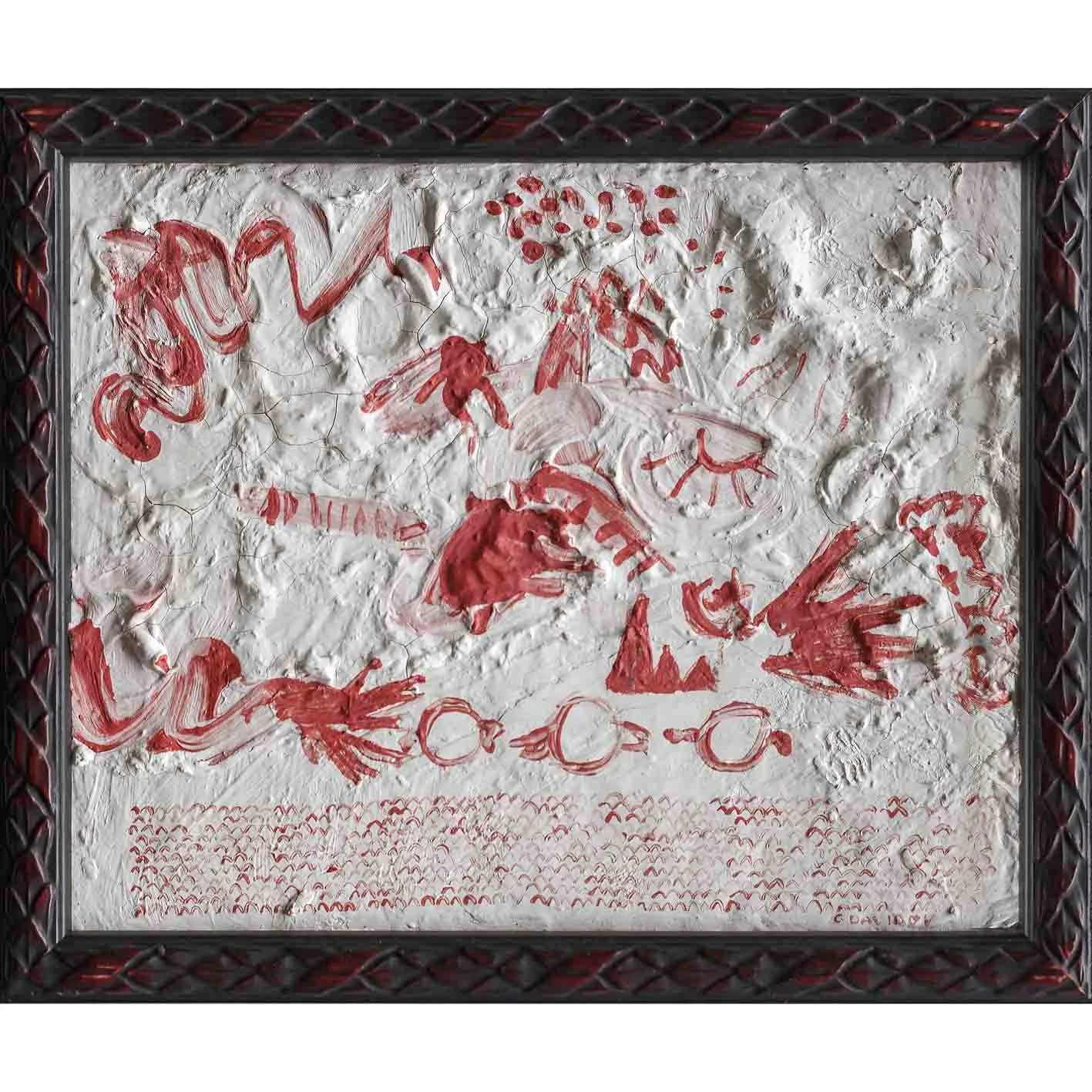
In the psalm By the River of Babylon, the people express their sorrow over exile and the humiliation of being forced to sing the songs of Zion for their captors in a foreign land. The psalm ends not in reconciliation, but in a desperate call for the destruction of oppression. The relief is not constructed around clear figuration, but around the sensation of something fractured or displaced. The form carries a constant tension between presence and absence, while the gaps within the structure become as significant as the material mass itself. Rather than directing the viewer toward a fixed symbolic reading, the work remains open, allowing a personal relationship with form, space, and memory. The surface suggests erosion, as if the image itself has survived through remnants rather than completion. In this way, the work approaches exile not as a historical illustration, but as a condition of human consciousness, a state in which memory, loss, and identity remain unresolved.